
Have Chocolate, Will Travel
A conversation with Alex Ryan, FSA, FCIA, CERA, on balancing creativity and discipline
November 2025Actuaries.
Behind the spreadsheets and complex models lies a diverse group of individuals with passions and pursuits that extend far beyond the confines of their offices. As part of The Actuary’s Passions & Personalities series, I was fortunate to connect with one such actuary—Alex Ryan, FSA, FCIA, CERA. Alex’s day job is that of a director on the Non-Par Traditional Life and Health Valuation Actions team at Sun Life in Toronto. Outside work, he is a baker, chocolatier and avid traveller.
According to Alex, “Work-life balance is important. We work a lot and we study a lot. We need to carve out time for ourselves. It’s important to take a break and enjoy.” Here, Alex shares his thoughts on life outside of work and his inspirations.
Can you talk further about work-life balance and share your experiences and tips for actuaries?
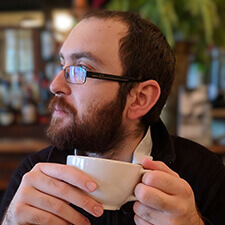
Alex Ryan: Work-life balance is something that can be challenging to maintain – it’s easy for us to get caught up in studying or with work. Ensuring that we maintain that balance is critical for us, both as actuaries and as individuals, since it ties back to our mental health.
There are a few things we can do to ensure we have a good work-life balance. Top of mind is setting boundaries with work. It may sound odd, but you need to carve out time for yourself so that you can explore your hobbies, connect with friends, and take your mind off work. I’ve struggled with this, particularly since the pandemic. When working from home, it’s easy to just quickly respond to an email or check if a model ran successfully, but you end up in a scenario where you aren’t disconnecting. To an extent, you need to make deliberate rules for how and when you engage with work outside of normal business hours.
Communication with your team is also important. I know I’ve had roles where I took on too many responsibilities, which left me burnt out. Having candid conversations with my manager and colleagues allowed us to see that work wasn’t being evenly distributed among the team members. It also highlighted that we needed additional resources. It’s easy to suffer in silence, but talking about workload is the first step to getting better balance.
There are smaller acts that you can do to bring out work-life balance. Simple things like taking a few minutes before or after a meeting to talk about hobbies can help. Much like me talking to you today – it was a great opportunity to disconnect from work for a little bit and chat about things that interest me.
Can you share with us some of your most interesting trips and adventures?
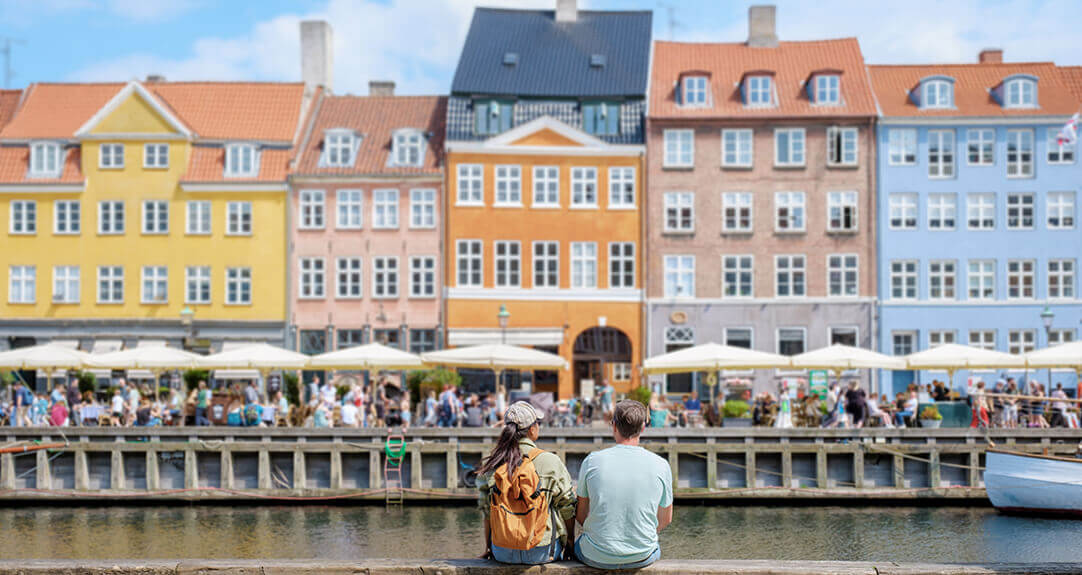
Alex: As I reflect on my life’s adventures, I can’t help but smile at the memories of exploring the world with my wife. We’re both passionate about experiencing new places, whether it’s hiking through breathtaking natural landscapes or indulging in local culinary delights as self-proclaimed foodies.
However, I’ve come to realize the importance of prioritizing our travel bucket list. We’re focusing on more physically demanding trips while we’re still fit and able, knowing some destinations might become challenging as we age. That’s why we’ve set our sights on far-flung locales like Argentina and New Zealand first. We’re also eager to embark on wildlife tours in Africa, where we hope to encounter monkeys and other fascinating creatures.
We’re also dreaming of adventures in Central America, as well as exploring the rich history and culture of Middle Eastern countries like Egypt, Jordan and Turkey. The Arctic is calling too, with its pristine, icy landscapes.
Through all these journeys, our goal remains the same: to immerse ourselves in diverse cultures and create lasting memories together.
Now let’s switch gears to your other hobbies. How did you decide to become a chocolatier?
Alex: During my last year of high school, my parents were keen on ensuring I’d become a functional adult. They encouraged me to explore different avenues, which led me to discover the fascinating world of chocolate making. It was a perfect blend of creativity and structure, allowing me to use a different side of my brain compared to the regimented actuarial work I was used to.
I started taking courses at George Brown College (in Toronto) during my exam periods. It was a way to fill the time between finishing exams and getting my marks back. I realized that I needed to plan for life beyond exams, to have something to occupy myself when school was no longer my primary focus. For a few years, I continued taking courses at George Brown. I opted for night school, which allowed me to work at my own pace.
There were about 20 courses to choose from, and I eventually earned a certificate in the chocolatier program. The chocolate courses were particularly intriguing, teaching us how to use different types of chocolate to achieve various effects. One of the most exciting aspects was creating showpieces – essentially making artwork out of chocolate. I spent 3 to 4 hours on each piece, starting with 10 kilos of chocolate at the beginning of each class. During the pandemic, I even continued the chocolatier program from home. The hardest part, I found, was finding inspiration. We’d be given three elements and tasked with building something from them. It required sketching out ideas before diving into the chocolate work. There was also a chocolate theory class, which delved into the long, complicated process of creating the final chocolate product.
FOR MORE
Read The Actuary article “Why Being Yourself at Work Can Be So Damn Hard.”
Read The Actuary article “Crafting a Unique Actuarial Career.”
Part of the coursework involved understanding the properties of chocolate. I learned that there are six or seven forms chocolate can take, depending on how you temper it. Interestingly, only one form is suitable for eating and creating showpieces – Form V. We even had chocolate tasting sessions, which were both educational and delicious.
Looking back, I’m grateful for this experience. It not only taught me a unique skill but also helped me transition into adulthood, balancing creativity with discipline—exactly what my parents had hoped for.
In closing
As the anonymous quote goes, “If you don’t try, you’ll never know what you’re capable of.” If there’s one takeaway from this article, I hope it’s to encourage other actuaries to try new things and seek new hobbies.
Statements of fact and opinions expressed herein are those of the individual authors and are not necessarily those of the Society of Actuaries or the respective authors’ employers.
Copyright © 2025 by the Society of Actuaries, Chicago, Illinois.